release affect severance
When employment comes to an end, many workers are asked to sign a release before receiving their severance package, which often raises the question: Does signing a release affect severance? A release is a legal document in which the employee agrees not to sue the employer or pursue future claims arising from their employment or termination. In exchange, the employer provides compensation such as Severance Pay. The link between severance and a release can be significant, because in many situations employees are not entitled to receive the payment unless they agree to the terms outlined in the release. This means the decision to sign should be made carefully and with full understanding of the consequences.
The main way signing a release affects Severance Pay is that it usually makes the payment conditional. Employers typically offer severance in exchange for legal protection. By signing the release, employees waive their right to take actions such as filing a wrongful termination claim, seeking additional compensation, or pursuing complaints through government labor boards or courts. In some cases, the offer of severance is generous because the employer wants to limit the risk of future litigation. However, when an employee signs, they often give up the ability to challenge anything related to their dismissal, including discrimination, unpaid wages, or workplace harassment. It is crucial to understand that once a release is signed, it is usually legally binding.
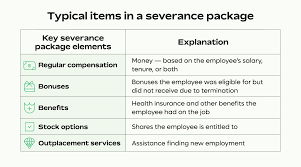
Does signing a release affect severance?
Another way signing a release affects Severance Pay is the timeline for receiving it. Many employers will not process severance payments until the release is returned, and there may be a deadline to sign. Employees who hesitate or negotiate may face delays, while those who sign quickly receive the payment sooner. Some releases include confidentiality clauses that restrict what the employee can say about the company or the terms of the severance. Others may include non-disparagement or non-competition language that could affect future job prospects. Because of these additions, signing a release can influence not only the severance amount but also a worker’s career opportunities after leaving the company.
It is also important to recognize that employees have the power to negotiate before signing a release tied to Severance Pay. If the offer seems low or the terms feel unfair, employees can request changes. Employers may increase the amount, extend benefits, or remove restrictive clauses to finalize the agreement. In some jurisdictions, labor laws require employers to provide time for employees to review the release before signing. This allows individuals to seek legal advice and consider whether the trade-off is worth the compensation provided.
Ultimately, the impact of signing a release on Fixed term employment contract rights Ontario depends on the specific language in the document and the worker’s rights under employment law. Signing will usually secure severance, but it may also eliminate important legal options. Employees should never feel pressured to sign immediately, and they have the right to ask for time or clarification. Reviewing the release carefully—or consulting an employment lawyer—can help protect long-term financial and legal interests. Understanding the connection between a release and severance empowers workers to make informed decisions during a difficult transition.