custom aluminum extrusion manufacturer
Engaging with a custom aluminum extrusion manufacturer involves a range of costs that extend beyond the simple per-kilogram price of the material. Understanding these various cost components is essential for accurate budgeting and for making informed decisions that can optimize both expenditure and the final product’s quality. A transparent breakdown of these factors will help businesses navigate the quoting process and select the most suitable partner for their specific needs.
The initial and often most significant cost is the tooling, specifically the extrusion die. Each unique profile requires a custom-made die, and its complexity directly influences its cost. Simple, standard shapes will have less expensive dies, while intricate designs with multiple hollows or tight tolerances will necessitate more complex and thus pricier tooling. This is typically a one-time charge, but it’s a critical upfront investment that impacts the viability of smaller production runs. The longevity and maintenance of these dies are also factors to consider, as a well-maintained die by a reliable custom aluminum extrusion manufacturer can serve many production cycles.
Beyond the tooling, the raw material itself forms a substantial portion of the overall cost. The price of aluminum billet fluctuates based on global market conditions, alloy type, and purity. Different aluminum alloys offer varying properties—strength, corrosion resistance, and machinability—and their cost will reflect these characteristics. Specifying the correct alloy for your application, without over-engineering, can lead to significant cost savings. The volume of material required for your profile, calculated by its weight per meter and the total length needed, directly impacts this material cost.
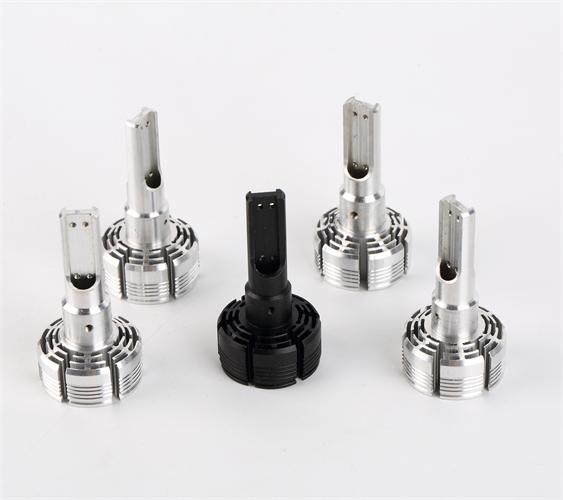
What are the costs involved with a custom aluminum extrusion manufacturer?
The actual extrusion process also contributes to the cost. This includes the energy consumed by the extrusion press, labor involved in operating the machinery, and overheads associated with the manufacturing facility. More complex profiles often require slower extrusion speeds or more intricate handling, which can increase the per-unit processing cost. Efficiency of the custom aluminum extrusion manufacturer’s operations plays a large role here, as optimized processes can lead to more competitive pricing.
Post-extrusion processes, often referred to as secondary operations, add further costs. These can include precision cutting to length, drilling holes, punching slots, CNC machining for intricate features, and various finishing treatments. For instance, processes like anodizing (for corrosion resistance and color) or powder coating (for durability and aesthetic appeal) will significantly affect the final price. This is also where additional services like Aluminum Sheet Metal Fabrication, if integrated into the project, will incur their own set of material and labor costs, depending on the complexity of the bends, cuts, and welds required.
Order volume is a crucial factor in determining the per-unit cost. Generally, larger production runs allow the custom aluminum extrusion manufacturer to amortize the fixed costs (like tooling and setup) over a greater number of units, leading to a lower price per piece. Conversely, smaller orders will carry a higher per-unit cost because the initial setup expenses are spread across fewer items. Therefore, forecasting your needs accurately and ordering in larger batches can be a strategic way to reduce overall expenditure.
Finally, packaging and logistics represent additional costs. This includes the cost of protective wrapping, crating, palletizing, and freight charges to transport the finished extrusions to your desired location. Expedited shipping or specialized packaging for fragile profiles will naturally increase these expenses. When evaluating quotes from a custom aluminum extrusion manufacturer, it is vital to obtain an itemized breakdown of all these cost components to ensure clarity and avoid unexpected charges.